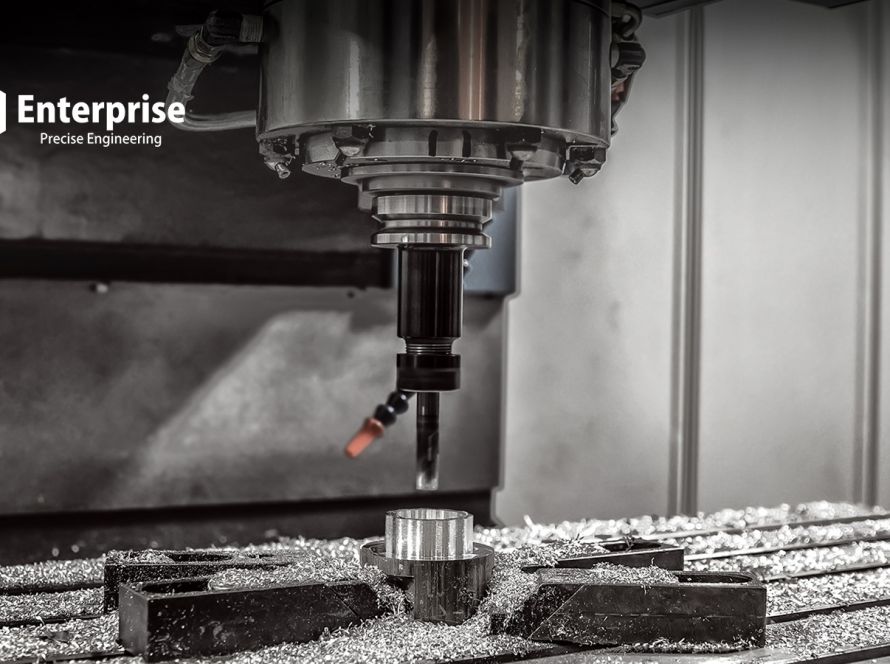
When it comes to pharmaceutical manufacturing, machines need to be precise, cleanable, durable, and compliant. At MJ Enterprise, we understand those demands. We produce CNC-machined parts that go into everything from tablet presses to coating machines, and here are some of the most important ones — what they do and why they matter.
1. Blending / Mixing Components
Pharma often starts with powders, granules, excipients, these have to be mixed or blended exactly. If blending is uneven, the result can be inferior batches, dosage inconsistencies, or worse.
Parts involved: mixing blades, drive shafts, liners (interior wall surfaces).
Functions: mix powders homogeneously, resist abrasion from solids, avoid contamination.
Key requirements: smooth surfaces so material doesn’t stick; corrosion resistance since cleaning uses harsh chemicals or steam.
2. Capsule / Filling Nozzles & Dosing Mechanisms
In capsule filling or liquid / powder filling equipment, the paths, nozzles, pistons are critical for dose accuracy.
Parts involved: filling nozzles, dosing cams or pistons, valve components.
Functions: ensure every capsule or container gets exactly the required quantity; avoid dripping or cross-contamination; shut off cleanly.
Key requirements: tight tolerances, material compatibility, cleanliness (easy to clean; minimal places for residues to stay).
3. Centrifuge Rotors, Containment Vessels, Separation Parts
Centrifuges and separators are used to purify, isolate, or clarify mixtures. They spin fast; any imbalance or imperfection causes wear, noise, or even damage.
Parts involved: rotors, containment vessels, feed inlet/outlet ports.
Functions: spin safely at high RPM, maintain structural integrity under load, preserve purity of fluids.
Key requirements: high tensile strength, fatigue resistance, good surface finishes, and ability to handle sterilization (heat, pressure).
4. Coating Machine Components
Coating gives tablets or capsules a protective or functional layer: for release profile, taste masking, or aesthetic finish. Uniformity and durability of this coating depend on precision of parts in the coating machines.
Parts involved: spray nozzles, drum components, mixing arms inside the coating drums.
Functions: spin safely at high RPM, maintain structural integrity under load, preserve purity of fluids.
Key requirements: wear resistance (sprayed materials can be abrasive), corrosion resistance (coating liquids, solvents), tight machining to avoid uneven coating or leakage.
5. Milling / Grinding / Screens Parts
Many pharma processes involve milling or grinding raw materials (to powders), and screens or sieves for size control.
Parts involved: grinding plates, blades, screens, mill housings.
Functions: reduce particle size; maintain consistency; prevent overheating or contamination; screen out particles of wrong size.
Key requirements: abrasion resistance, heat resistance, clean‐finish surfaces so no trapping of material, easy to clean and replace.
6. Tablet Press Components: Punches, Dies, Rollers
Probably one of the most critical. Tablet presses are what actually press the powder into tablet, size, shape, weight, hardness, all rely on the precision of the dies, punches, and rollers.
Parts involved: punches (upper & lower), dies, pressure rollers.
Functions: compress powder into tablet with right shape and depth; rollers help feed the powder. These parts undergo intense mechanical stress.
Key requirements: extremely tight tolerances; hardness and wear resistance; smooth surfaces (prevent sticking); easy to clean; material that withstands constant repeated impact and cleaning cycles.
Why All This Matters for Pharma
Pharmaceutical machines must comply with regulatory norms (cGMP, ISO), avoid contamination, deliver consistent drug quality. Any deviation in part shape, finish or material can lead to batch failure, contamination or regulatory trouble.
At MJ Enterprise, when we design or manufacture these CNC parts:
We select materials like pharma-grade stainless steel 316L, high purity alloys, sometimes engineering plastics when needed.
We pay attention to surface finish and tolerances because small defects or roughness = spots where microbes or residues accumulate.
We build for durability & cleanability: parts that last, parts that can be sterilized or cleaned, parts that maintain performance over time.
If you’re working on a pharmaceutical machine or designing a new line, and need components you can trust, from milling screens to tablet press punches, you can count on MJ Enterprise. Let’s talk about what your machine needs and how we can help deliver parts that perform, stay clean, and keep your production running smoothly.