CNC Precision Machining Service: 8 Factors Buyers Should Check Before Selecting a Supplier
Choosing the right machining supplier is not simply about finding a company with CNC machines. For buyers sourcing complex components, the real question is whether the supplier can consistently produce parts that meet drawings, tolerances, material specifications, quality expectations, and delivery schedules.
A reliable CNC Precision Machining supplier should combine machining capability with inspection, process control, technical knowledge, and clear communication.
Before sending your next RFQ, consider these eight factors.
What Should Buyers Look for in CNC Precision Machining?
The right supplier should be able to understand the complete manufacturing requirement, not just the dimensions shown on a drawing.
Buyers should evaluate machine capability, achievable tolerances, materials handled, inspection systems, engineering support, production capacity, quality processes, and communication.
These factors become especially important for complex components where a small manufacturing variation can affect assembly, fit, or final performance.
1. Check CNC Precision Machining Capabilities
Start by reviewing the supplier’s actual machining capabilities.
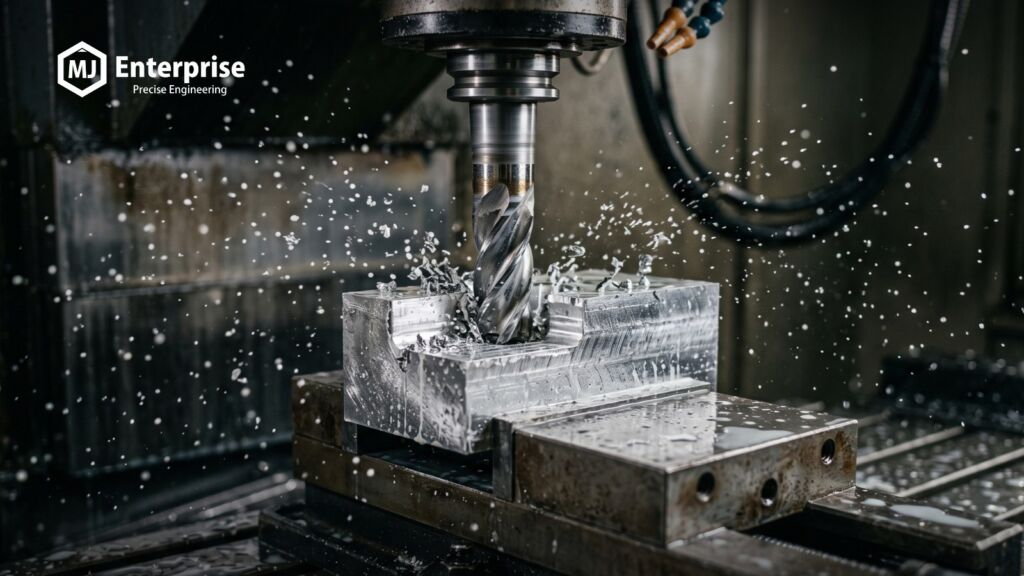
Ask what CNC equipment is available and whether the facility can handle your component size and complexity. Depending on the part, the requirement may involve CNC milling, turning, five-axis machining, drilling, boring, or a combination of processes.
Machine capability should match the geometry of the component.
For example, a complex component with multiple angled surfaces may benefit from five-axis machining because more features can potentially be machined within fewer setups.
Match the Machine to the Component
Do not evaluate a supplier based only on the number of machines available. Focus on whether those machines are suitable for your specific parts.
2. Evaluate Tolerance and Accuracy Requirements
A supplier should carefully review tolerances before confirming manufacturability.
Tight tolerances can influence tooling, machine selection, inspection requirements, cycle time, and cost. Asking a supplier to confirm critical dimensions during the quotation stage can prevent problems later.
CNC Precision Machining Requires Verification
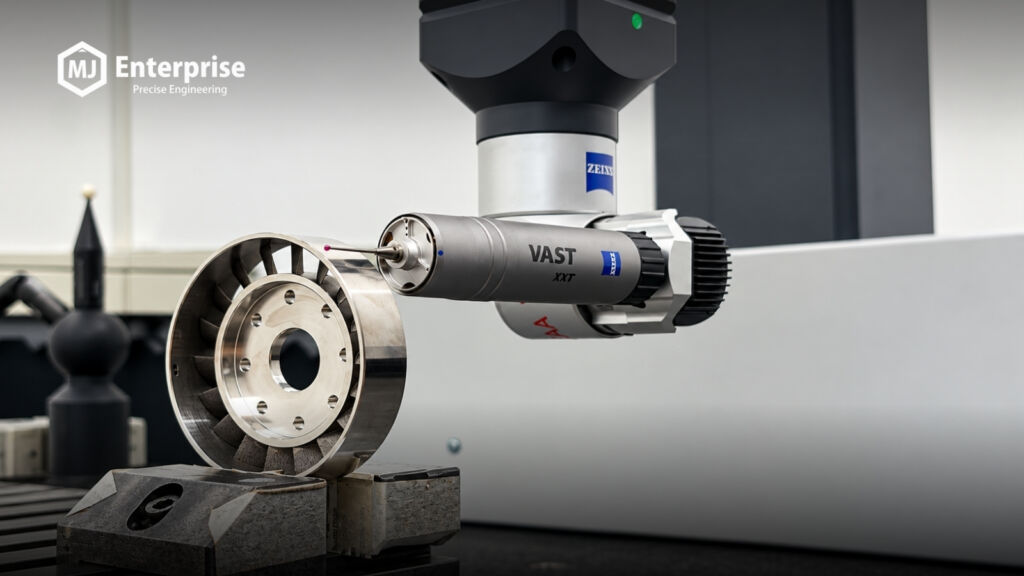
Machining accuracy must also be supported by appropriate measurement.
Inspection methods may include micrometers, height gauges, bore gauges, coordinate measuring machines, and other dimensional measurement equipment depending on the component.
NIST identifies dimensional metrology and manufacturing quality measurement as important areas within machining operations and manufacturing quality assurance.
3. Review Material Machining Experience
Not every material behaves the same way during machining.
Aluminium, stainless steel, tool steel, titanium, Inconel, and other engineering materials can require different cutting strategies, tooling, speeds, feeds, and process controls.
A supplier with experience machining your specified material may be better prepared to manage tool wear, heat generation, surface finish, and dimensional stability.
Why Material Experience Matters in CNC Precision Machining
The question is not simply whether the supplier can machine the material. Ask whether they have handled similar materials, geometries, and tolerance requirements before.
4. Examine the Quality Control Process
Quality should be built into the manufacturing process rather than checked only after production.
Ask how the supplier verifies incoming material, in-process dimensions, finished components, and critical characteristics.
Also determine what inspection documentation can be supplied when required.
For repeat orders, a documented inspection process helps maintain consistency from one production batch to another.
5. Check Drawing and Engineering Support
A capable machining supplier should be able to review engineering drawings before production begins.
This review can identify difficult tolerances, inaccessible features, machining risks, unclear dimensions, and opportunities to improve manufacturability.
Early technical discussion is particularly valuable for prototypes and newly developed components.
6. Assess Production Capacity and Scalability
A supplier may be capable of producing five components, but can the same supplier reliably produce fifty or five hundred?
Discuss expected annual volume, batch quantities, machine availability, typical lead times, and repeat order requirements.
Capacity planning becomes important when a component moves from prototype development to regular production.
7. Review Traceability and Documentation
For critical applications, buyers may require material certificates, inspection reports, manufacturing records, or other documentation.
Ask what records can be maintained and supplied with the order.
Clear documentation can simplify incoming inspection and help buyers maintain their own quality records.
8. Evaluate Communication and Technical Responsiveness
Good manufacturing depends on good communication.
A supplier should raise questions when drawings contain unclear information rather than making assumptions. Buyers should also expect clear responses regarding feasibility, delivery, materials, inspection, and production status.
How to Select the Right CNC Precision Machining Supplier
The lowest quotation is not always the lowest overall manufacturing cost.
A part that requires repeated corrections, rework, or delayed deliveries can become expensive even when the initial unit price looks attractive.
Compare suppliers based on machining capability, quality control, technical understanding, inspection, material experience, capacity, documentation, and communication.
If you are preparing an RFQ for a precision component, share the drawing, material specification, quantity, tolerances, and inspection requirements with the machining supplier. A detailed technical review before production can help identify manufacturing challenges early and support a more accurate quotation.
Looking for a Reliable CNC Precision Machining Partner?
Turn complex drawings into accurately machined components with the right manufacturing support. Share your drawings, material specifications, tolerances, and quantity requirements with MJ Enterprise for a detailed technical review.
Send Your Drawing and Request a Quote Today
FAQs
What is CNC Precision Machining?
CNC Precision Machining is a manufacturing process that uses computer-controlled machine tools to produce components according to defined dimensions and tolerances. It is commonly used when parts require repeatability, complex geometry, controlled surface finish, and consistent dimensional accuracy.
How do I choose a CNC precision machining supplier?
Review the supplier’s machine capability, tolerance experience, material knowledge, inspection equipment, quality processes, production capacity, documentation, and communication. Providing a detailed drawing and asking technical questions before placing an order can also help evaluate the supplier’s manufacturing knowledge.
What information should I provide for a CNC machining quotation?
Provide the component drawing or CAD model, material specification, required quantity, dimensional tolerances, surface finish requirements, inspection requirements, and any secondary processes. Complete information helps the supplier evaluate manufacturability, production time, tooling needs, and quotation accuracy.
Why is inspection important in precision machining?
Inspection confirms whether manufactured dimensions meet drawing requirements. Depending on component complexity and tolerance, manufacturers may use conventional measuring instruments or advanced dimensional inspection equipment. A suitable inspection process reduces the risk of nonconforming parts reaching assembly or final production.
Can CNC precision machining be used for prototypes and production?
Yes. CNC machining can support prototypes, small batches, and regular production quantities. The most suitable manufacturing approach depends on component geometry, material, tolerance, quantity, tooling requirements, and production schedule. Buyers should discuss expected future volumes during supplier evaluation.