Lab Grown Diamond Machine: Complete Guide to Technology, Process & Industrial Applications
The diamond industry has experienced a major transformation with the development of advanced technologies that enable diamonds to be created in controlled laboratory environments. A lab grown diamond machine allows manufacturers to produce high quality diamonds by replicating the natural diamond formation process using advanced engineering and controlled conditions.
With increasing demand for sustainable diamonds, jewellery applications, and industrial diamond materials, manufacturers are investing in advanced solutions such as a CVD diamond machine and other precision controlled systems to achieve consistent production quality.
Understanding the technology, manufacturing process, and industrial applications of these machines is essential for businesses planning to enter or expand in the lab grown diamond market.
What Is a Lab-Grown Diamond Machine?
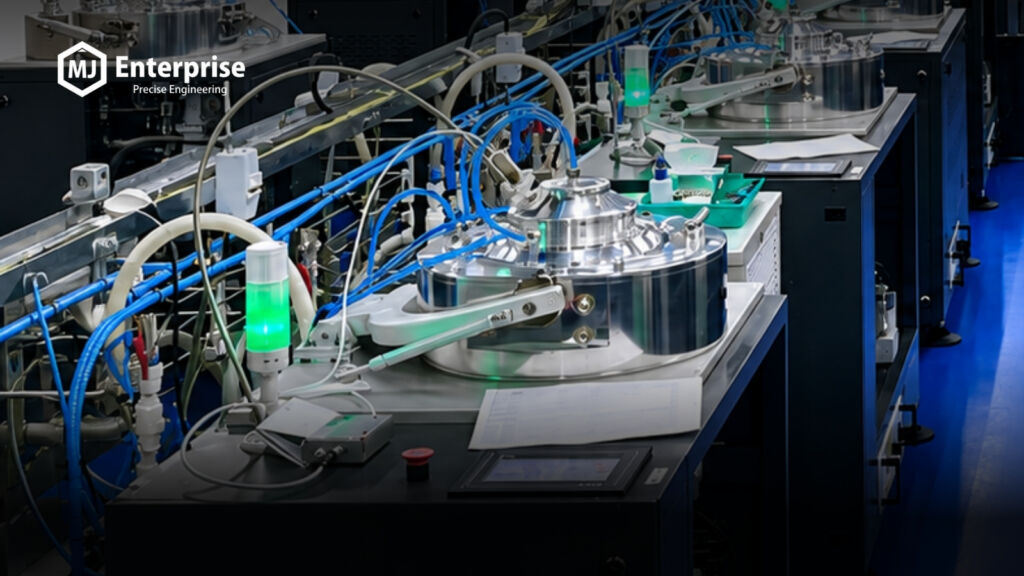
A lab-grown diamond machine is specialized equipment designed to create diamonds in a controlled laboratory environment. Instead of taking millions of years to form naturally beneath the earth, these machines recreate similar conditions using advanced scientific processes.
The most commonly used technology for producing high-quality lab-grown diamonds is Chemical Vapor Deposition, also known as CVD technology.
A CVD diamond manufacturing machine uses carbon-containing gases inside a controlled vacuum chamber. Through carefully managed temperature, pressure, and gas flow conditions, carbon atoms gradually deposit on a diamond seed crystal and form a diamond layer.
This technology allows manufacturers to produce diamonds with physical, chemical, and optical properties similar to natural diamonds.
How Does a Lab Grown Diamond Machine Work?
The manufacturing process involves several carefully controlled stages.
1. Diamond Seed Preparation
The process begins with a thin diamond seed. This seed acts as the foundation where carbon atoms will accumulate and grow into a larger diamond crystal.
The quality of the seed plays an important role in determining the final diamond characteristics.
2. Vacuum Chamber Preparation
The diamond seed is placed inside the growth chamber of the machine. The chamber is designed to maintain a highly controlled environment with minimal contamination.
A reliable synthetic diamond manufacturing machine requires precise chamber design because even small variations can affect diamond quality.
3. Gas Introduction and Plasma Formation
During the CVD process, gases such as methane and hydrogen are introduced into the chamber.
Microwave energy creates plasma, which separates carbon atoms from methane molecules. These carbon atoms then attach to the diamond seed layer by layer.
4. Diamond Growth Process
The machine continuously controls:
• Temperature stability
• Gas ratio management
• Chamber pressure
• Plasma conditions
• Growth duration
These factors directly influence diamond size, clarity, and quality.
5. Diamond Processing and Finishing
After the growth cycle is completed, the diamond undergoes cutting, polishing, and quality inspection before being used for jewellery or industrial applications.
Key Technologies Used in Lab Grown Diamond Manufacturing
Chemical Vapor Deposition Technology
CVD technology has become one of the most advanced methods for producing lab-grown diamonds.
A modern CVD diamond machine provides manufacturers with better control over diamond growth conditions compared to traditional methods.
The technology offers advantages such as:
• Controlled diamond quality
• Scalable production capability
• Reduced dependency on natural diamond mining
• Ability to produce diamonds for different applications
High Pressure High Temperature Technology
Another method used in diamond production is HPHT technology. It uses high pressure and high temperature conditions to create diamonds.
While HPHT remains important for certain applications, CVD technology is widely preferred for producing high-purity diamonds used in jewellery and advanced industrial applications.
Industrial Applications of Lab Grown Diamonds
Lab-grown diamonds are not limited to jewellery. Their exceptional hardness, thermal conductivity, and chemical resistance make them valuable across multiple industries.
Jewellery Manufacturing
The jewellery industry is one of the fastest-growing markets for lab-grown diamonds.
Manufacturers use diamonds created through advanced machines because they offer:
• High clarity options
• Consistent quality
• Ethical sourcing advantages
• Competitive production possibilities
Electronics and Semiconductor Industry
Diamond has excellent thermal conductivity, making it useful for advanced electronic components.
Lab-grown diamonds are being explored for applications involving:
• Heat management systems
• Semiconductor components
• High-performance electronic devices
Cutting and Industrial Tools
Because diamonds are among the hardest known materials, they are used in:
• Precision cutting tools
• Grinding equipment
• Drilling applications
• Wear-resistant components
A reliable diamond manufacturing machine helps manufacturers create diamonds suitable for these demanding applications.
Why Businesses Are Investing in Lab Grown Diamond Machines
The growing acceptance of lab-grown diamonds has created opportunities for manufacturers looking to establish production capabilities.
Investing in a CVD diamond manufacturing machine provides businesses with the ability to:
Improve Production Control
Advanced machines allow manufacturers to monitor and adjust important growth parameters, resulting in better consistency.
Scale Manufacturing Capacity
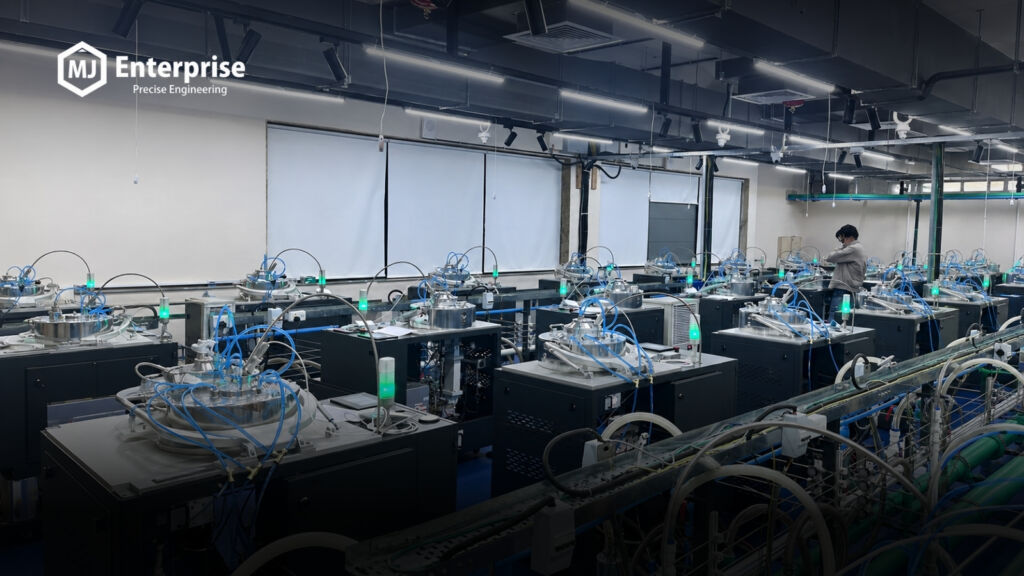
Modern systems can support commercial production requirements while maintaining quality standards.
Serve Multiple Markets
From jewellery manufacturers to industrial technology companies, lab grown diamonds have applications across various sectors.
Factors to Consider Before Buying a Lab Grown Diamond Machine
Choosing the right machine requires careful evaluation of technical and business requirements.
Important factors include:
Chamber Quality
Vacuum chamber design directly affects contamination control and diamond growth stability.
Process Control System
Advanced monitoring systems help maintain accurate temperature, pressure, and gas conditions.
Production Capacity
Manufacturers should select equipment based on expected production volume and future expansion plans.
Technical Support
Reliable support and maintenance services are important for long term machine performance.
Future of Lab Grown Diamond Manufacturing
The demand for lab-grown diamonds is expected to continue growing as industries search for sustainable and technologically advanced solutions.
With improvements in CVD technology, manufacturers can achieve higher production efficiency, better quality control, and wider industrial applications.
Companies planning to enter this market need reliable engineering partners who understand precision manufacturing requirements for advanced diamond production equipment.
A well-designed lab-grown diamond machine can become the foundation for scalable diamond manufacturing operations.
Planning to Invest in a CVD Diamond Machine?
Every successful diamond manufacturing setup starts with the right equipment design and technology selection.
Connect MJ Enterprise to understand machine capabilities, production capacity, and solutions suitable for your business goals.
FAQs
What is a lab grown diamond machine?
A lab grown diamond machine is equipment used to manufacture diamonds in controlled laboratory conditions. It uses technologies such as CVD to grow diamonds by depositing carbon atoms on diamond seed crystals.
How does a CVD diamond machine produce diamonds?
A CVD diamond machine creates diamonds by introducing carbon containing gases into a vacuum chamber. Plasma separates carbon atoms, which gradually deposit onto a diamond seed and form a diamond crystal.
What industries use lab grown diamonds?
Lab grown diamonds are used in jewellery, electronics, semiconductor technology, cutting tools, thermal management systems, and various industrial applications requiring high performance materials.
What should businesses consider before purchasing a diamond manufacturing machine?
Businesses should evaluate machine quality, production capacity, chamber design, process control systems, maintenance support, and manufacturer expertise before investing in diamond manufacturing equipment.